Editorial
How to Document a Handmade Figure’s Provenance Before Sharing or Selling
Build a linked provenance file that records how a handmade figure was made, identified, photographed, transferred, and cared for—without treating documentation as a guarantee against disputes or image misuse.
By Rina Calder
· 10 min read
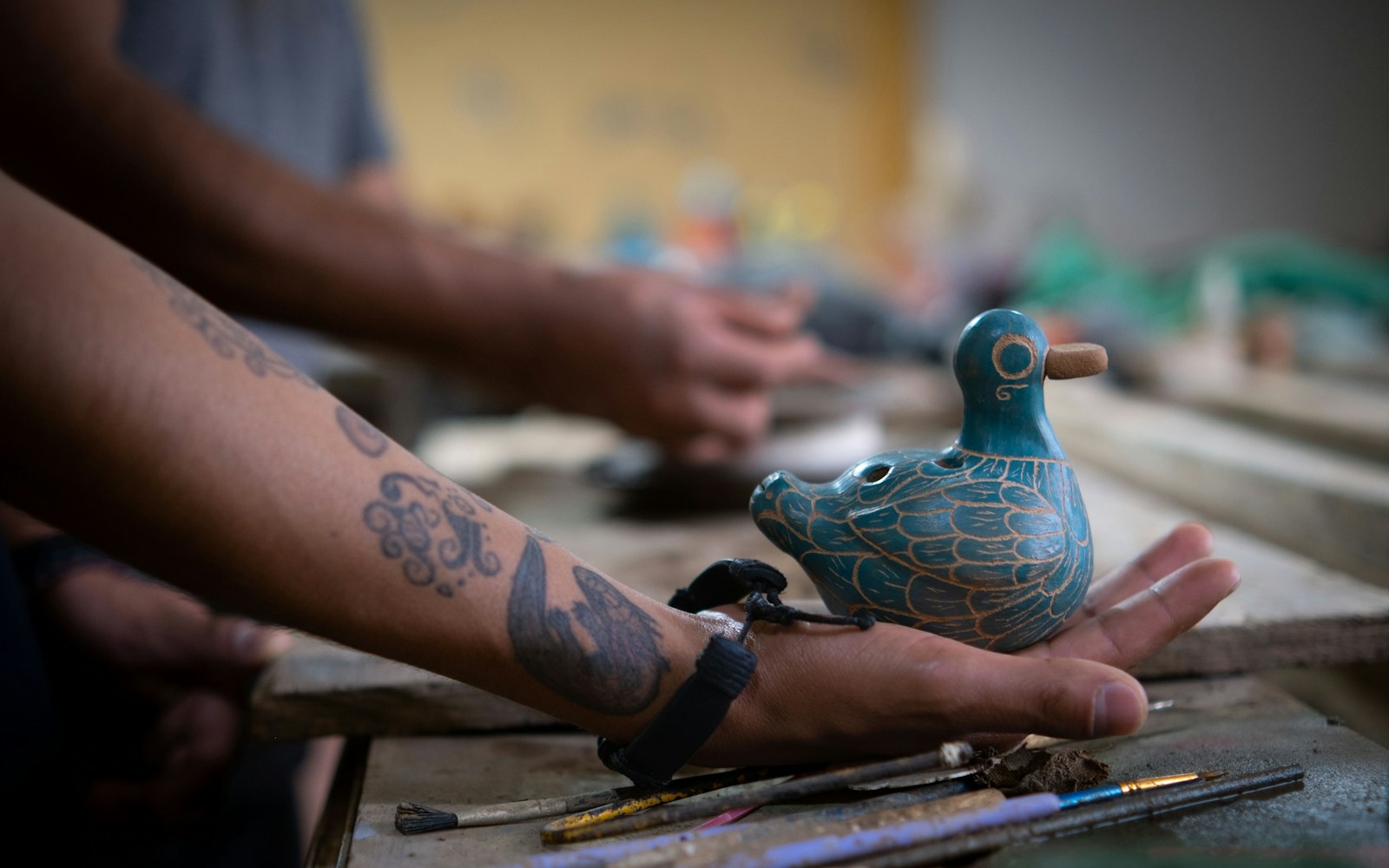
A maker may know exactly who made a figure and how it was constructed, yet still struggle to show that history later. Collectors can face a similar problem when a figure changes hands without its paperwork, or when an image is reposted with a misleading caption. The practical answer is to create one linked provenance file before the object is publicly shared or sold.
For a one-off handmade figure, that file should connect the object to its maker, construction history, photographs, certificate of authenticity, transaction records, and later condition notes. It can support authorship and context, but it cannot guarantee that every claim will be accepted as proof, prevent unauthorized image use, settle ownership or copyright questions, or ensure that materials remain unchanged.
Start with a provenance file before sharing or selling
Provenance is the documented chain associated with an object. For a handmade figure, it may include who made it, when and how it was constructed, which materials and supplied components were used, who owned it, and what happened during later transfers, repairs, or alterations.
The system does not need specialist software. A clearly named folder, a maker’s ledger or spreadsheet, dated photographs, retained originals, and a short certificate can be enough to create a useful record. The important point is consistency: each part should refer to the same unique inventory number.
A basic folder might contain:
01_object-record02_process-photos03_final-photos04_certificate05_transactions06_condition-and-repairs07_public-captions
Keep private addresses, payment details, phone numbers, and other personal information in a separate, restricted location. The documents that travel with the figure should contain what a future owner needs to identify and understand the object, not every piece of private administration.
Create the minimum record during construction
Assign an inventory number early
Give the figure a unique identifier as soon as work begins. A simple format might combine the year and a sequential number, such as 2026-014, or use a studio prefix followed by a number. The format matters less than using it consistently and never reassigning it to another object.
Record the number in the maker’s ledger, image filenames, object notes, certificate, invoice, and transfer records. Where appropriate, place it discreetly on the figure, label, or packaging. If marking the object could damage it or interfere with its appearance, record where the number is stored instead.
Record identity and specifications
At minimum, note:
- working title and final title, if different;
- maker or studio name;
- start and completion dates, or the best available date range;
- height, width, and depth;
- weight when it helps with identification, packing, or handling;
- one-off status, edition size, or edition number;
- signature location and the form of the signature;
- labels, tags, stamps, or other identifying marks.
Measurements should be taken in a consistent way and described plainly. For a figure with a removable costume, articulated parts, a base, or a prop, state whether the measurements include those elements.
Describe the materials honestly
List the primary materials and distinguish between structural, surface, textile, and accessory components. Depending on the object, this might include wire, wood, fabric, thread, paper, polymer clay, paint, varnish, beads, found objects, adhesives, or commercially supplied parts.
Not every component needs to be handmade. Record reused, supplied, commissioned, purchased, or replaced parts accurately. If the exact brand or composition of a material is unknown, say so rather than filling the gap with a guess. A useful note might read: “Commercial glass eyes, maker unidentified,” or “Reused textile fragment; original source not recorded.”
Also record construction features that may matter later: internal armature, removable limbs, sewn or glued joins, weighted base, magnets, fasteners, painted surfaces, and fragile attachments. Materials, adhesives, finishes, and textiles can respond differently to handling, light, moisture, temperature, and pressure. A record describes what is present; it does not promise permanence.
Track changes as they happen
Add short notes when the figure undergoes a significant change. Include pattern revisions, replaced components, surface alterations, repairs, or decisions to leave a construction feature visible. If a supplied component is swapped out, record the date and reason where known.
These artist process records do not need to be literary. A dated entry such as “wire armature revised; left hand rebuilt before surface covering” may be more useful than a long retrospective account written months later.
Photograph the figure and its making
Work-in-progress photos are among the most useful parts of an art doll documentation system because they show stages that disappear once the figure is finished. They can support context and authorship claims, especially when they are dated, consistently named, and connected to the inventory number.
Photograph major construction stages
Take photographs when the structure is first assembled, before it is covered, and at other points where a significant feature will become hidden. Depending on the object, useful stages may include:
- initial sketches, patterns, or maquettes;
- armature or internal structure before covering;
- body assembly and major joins;
- fitting of costume, hair, props, or accessories;
- surface application, painting, and finishing;
- repairs or substantial alterations;
- completed object from several views.
Include a reference for scale when useful, such as a ruler or a written measurement in the record. Avoid relying only on atmospheric studio photographs. Decorative images can show the figure’s character, but clear, neutral views are easier to compare later.
Capture distinctive details
Photograph features that could help distinguish the object from another figure. These may include unusual joins, stitching, textures, internal supports before they are covered, painted marks, labels, signature placement, textile patterns, tool marks, or distinctive wear.
Take close views as well as full views. Make sure the image notes identify what is shown. A filename such as 2026-014_process-03_armature-before-covering.jpg is more useful than IMG_4812.jpg.
Preserve originals and record image context
Keep the original image files rather than retaining only compressed versions downloaded from a social platform. Use a consistent filename structure, for example:
inventorynumber_stage_date_view
A filename might be:
2026-014_final_2026-05-18_front.jpg
Alongside the file, record when and where the image was made and who made it. If someone else photographed the figure, note that person’s name or agreed credit. Retain the original and create smaller copies for online sharing.
Metadata can be useful, but it may be removed when a file is uploaded, resized, or reposted. It should therefore support, not replace, the visible record and the retained original.
Add attribution and context when sharing
A public caption can identify the maker, title, date, inventory number when appropriate, and the terms for image use. For example:
Maker or studio name, Title, year, handmade mixed-media figure. Photograph by maker or credited photographer. Please retain attribution and do not present the image as another person’s work.
Adapt the wording to the situation and avoid publishing private information. Attribution helps preserve context, but it is not a technical barrier to reposting. Process photos, watermarks, metadata, and captions may support a response to misleading use, yet none guarantees removal or prevents an image from being copied.
Link the object to its records
The provenance chain is stronger when the same identifier appears across separate records. Link the inventory number to:
- the object or its discreet label;
- the maker’s ledger or spreadsheet;
- process and final image filenames;
- the certificate of authenticity;
- invoice or receipt;
- commission agreement, if applicable;
- delivery or shipping record;
- loan, repair, or transfer note;
- collector condition report.
For a sale or commission, record the date, parties involved, object description, amount or payment details in the private transaction record, and what paperwork accompanied the figure. Keep personal and financial information separate from a public provenance summary.
Collectors should add the acquisition date, seller or maker information, condition at receipt, packing notes when relevant, and the documents received. If the figure is later sold, gifted, loaned, or returned for repair, add a dated entry rather than replacing the earlier record.
Prepare a concise certificate of authenticity
A certificate of authenticity is one document within the provenance file, not a substitute for the file itself. It should identify the object clearly and state the limited basis of the maker’s declaration.
Include:
- maker’s name or studio name;
- object title;
- inventory number;
- completion date or date range;
- dimensions;
- principal materials;
- one-of-one or edition status;
- edition number and total edition, where applicable;
- signature details and placement;
- certificate issue date;
- maker’s signature.
A concise statement might explain that the certificate covers the described object and the maker’s stated authorship, based on the maker’s records. Avoid absolute language about future value, ownership, originality of every component, material permanence, or protection against copying.
Retain a signed copy in the provenance folder. If a certificate is lost or replaced, record the date, reason, and new certificate number if used. Mark the earlier certificate as superseded when possible. This helps prevent two conflicting documents from circulating without explanation.
Understand what the file can and cannot establish
A dated process photograph may connect a maker to a particular stage of construction. A distinctive detail may help distinguish one figure from another. Matching inventory numbers can connect the object, certificate, images, and invoice. A transfer record can document what changed hands and when.
Together, these records support a coherent provenance chain. They do not automatically settle every separate question. Records may be incomplete, lost, challenged, or disputed. Authenticity, ownership, copyright, image use, and the originality of individual components can involve different evidence and considerations.
The file also does not guarantee that a figure will retain its original condition. Textiles can soil or fade, finishes can alter, adhesives can weaken, and mixed-media parts can respond differently to the environment. Record the condition at completion, sale, receipt, repair, and return, using clear descriptions and photographs. For handling or conservation decisions, follow the maker’s guidance where available and seek appropriate specialist advice when the object is fragile or valuable to its owner.
Share only the level of process detail that is appropriate. Hidden-structure photographs may be useful for provenance, but publishing every construction method can expose private techniques, personal workspace details, or security-sensitive information.
Printable provenance checklist
- Inventory number assigned at the beginning of construction.
- Number applied to the figure or its label where appropriate, and recorded elsewhere.
- Title, maker, start date, completion date, dimensions, and weight where useful logged.
- Materials and supplied, reused, commissioned, or replaced parts described accurately.
- One-off or edition status recorded, including edition number if applicable.
- Signature placement, labels, marks, and distinctive details documented.
- Dated construction photographs saved, including hidden structure before covering where possible.
- Work-in-progress and final image filenames linked to the inventory number.
- Original image files retained, with image maker and context recorded.
- Final views show the complete figure, scale, measurements, and important details.
- Alterations, repairs, replacements, and condition changes noted.
- Certificate of authenticity completed, signed, copied, and linked to the inventory number.
- Invoices, receipts, agreements, delivery records, and transfer notes stored.
- Collector acquisition and condition records added when applicable.
- Public image captions include maker, title, date, and attribution terms.
- Private contact, payment, and address information separated from shareable records.
- Backups made in more than one appropriate location.
Close with a maintainable routine
The best documentation system is one that can be maintained. Update the file when the figure is completed, photographed, sold, loaned, repaired, returned, or transferred. Do not wait until a dispute or resale to reconstruct the history from memory.
For makers, the essential habit is to record construction while the information is still available. For collectors, preserve the object, certificate, transaction record, condition notes, and image references as one connected set. A provenance file cannot control every future use of an image or resolve every disagreement, but it can make the figure’s history clearer, more consistent, and easier to explain.