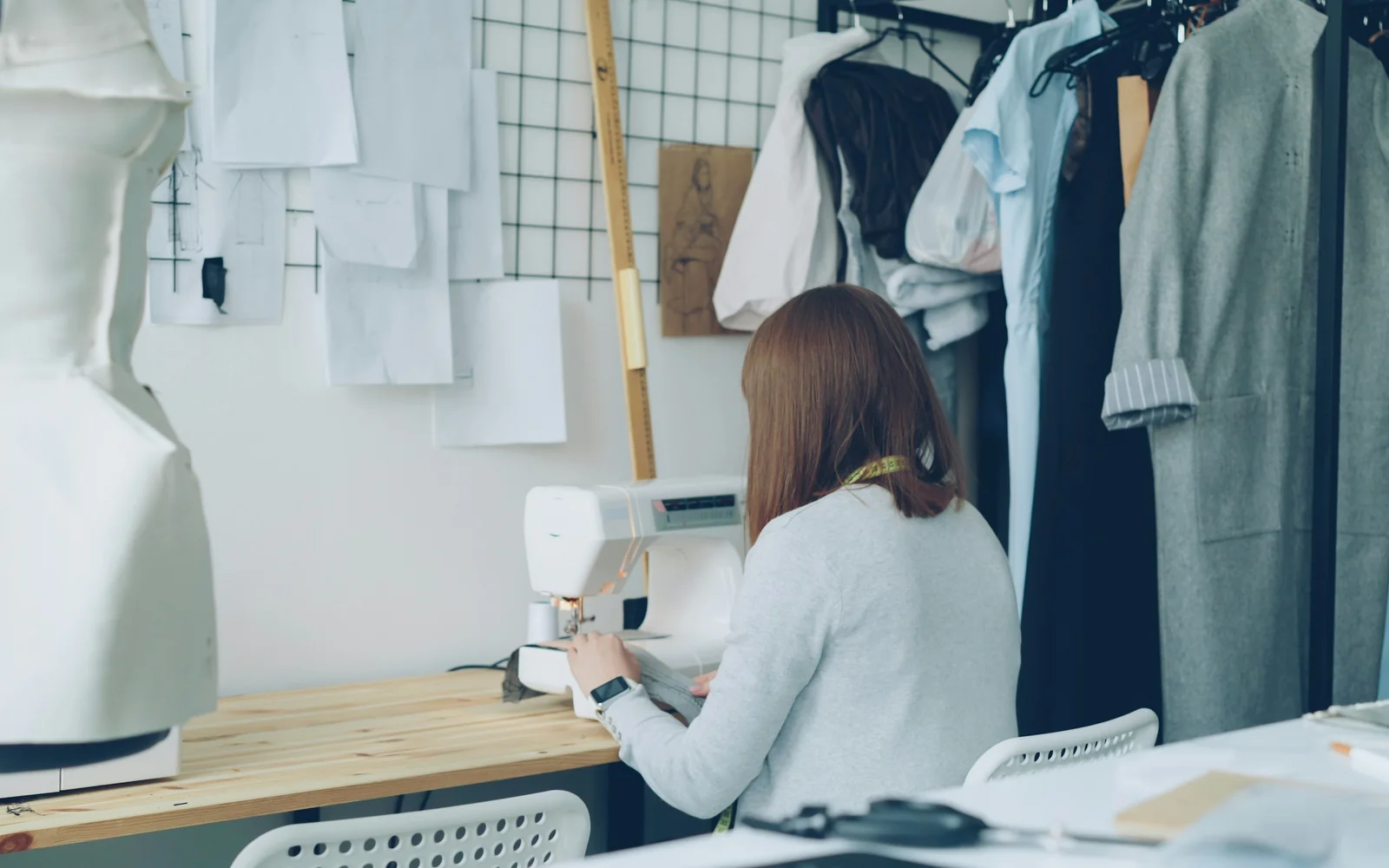
Inside the Studio
A Day in the Life of Mira Petkova's Workshop
Light, repetition, and carefully timed pauses shape a working day in Mira Petkova's Sofia studio.
ArtDoll archive
Studio visits, artist conversations, collecting guides, and essays on material culture.
Inside the Studio
Light, repetition, and carefully timed pauses shape a working day in Mira Petkova's Sofia studio.
Materials
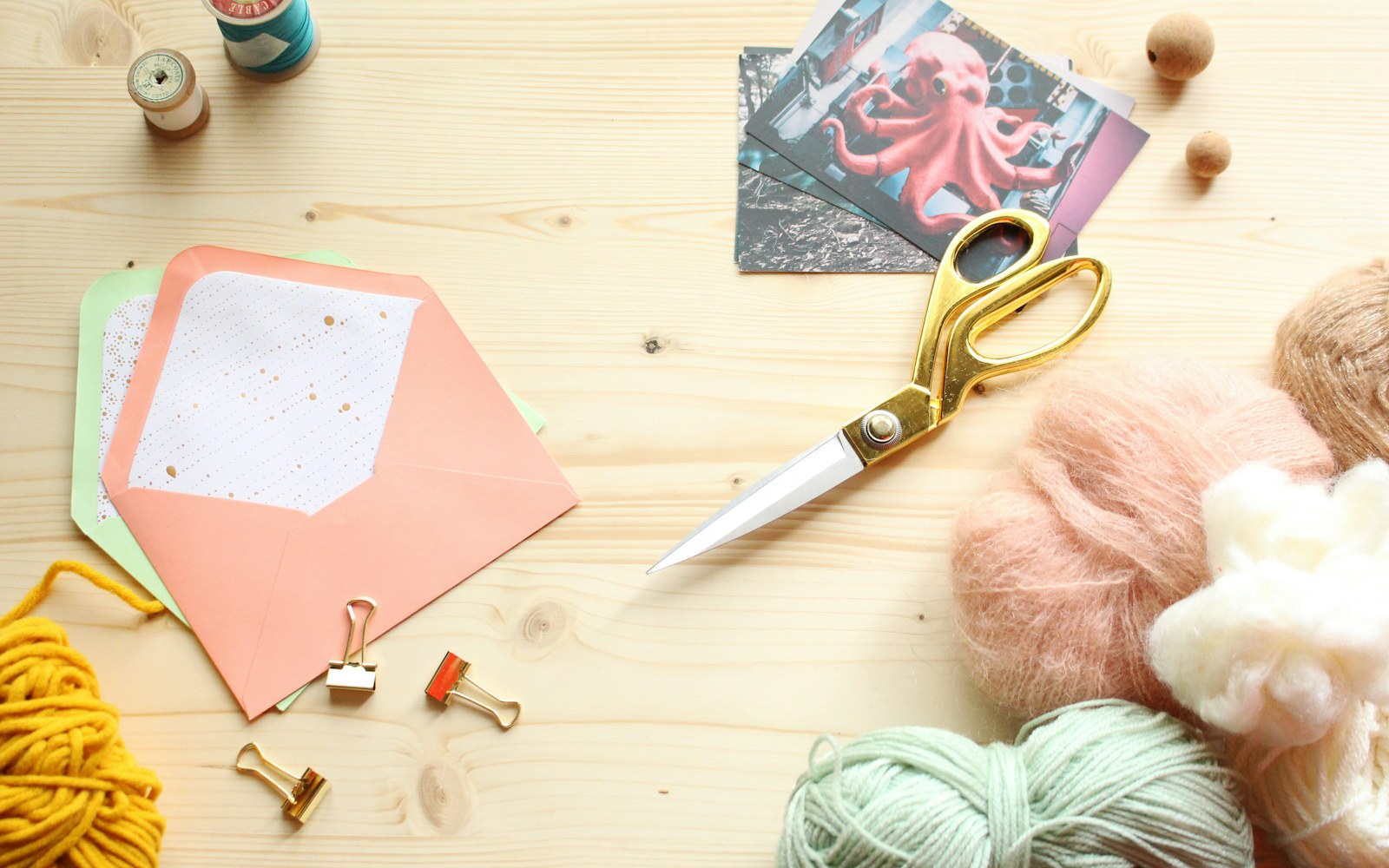
The best materials for mixed-media art dolls are not the hardest or most durable in isolation, but the combinations whose movement, weight, porosity, …
Process
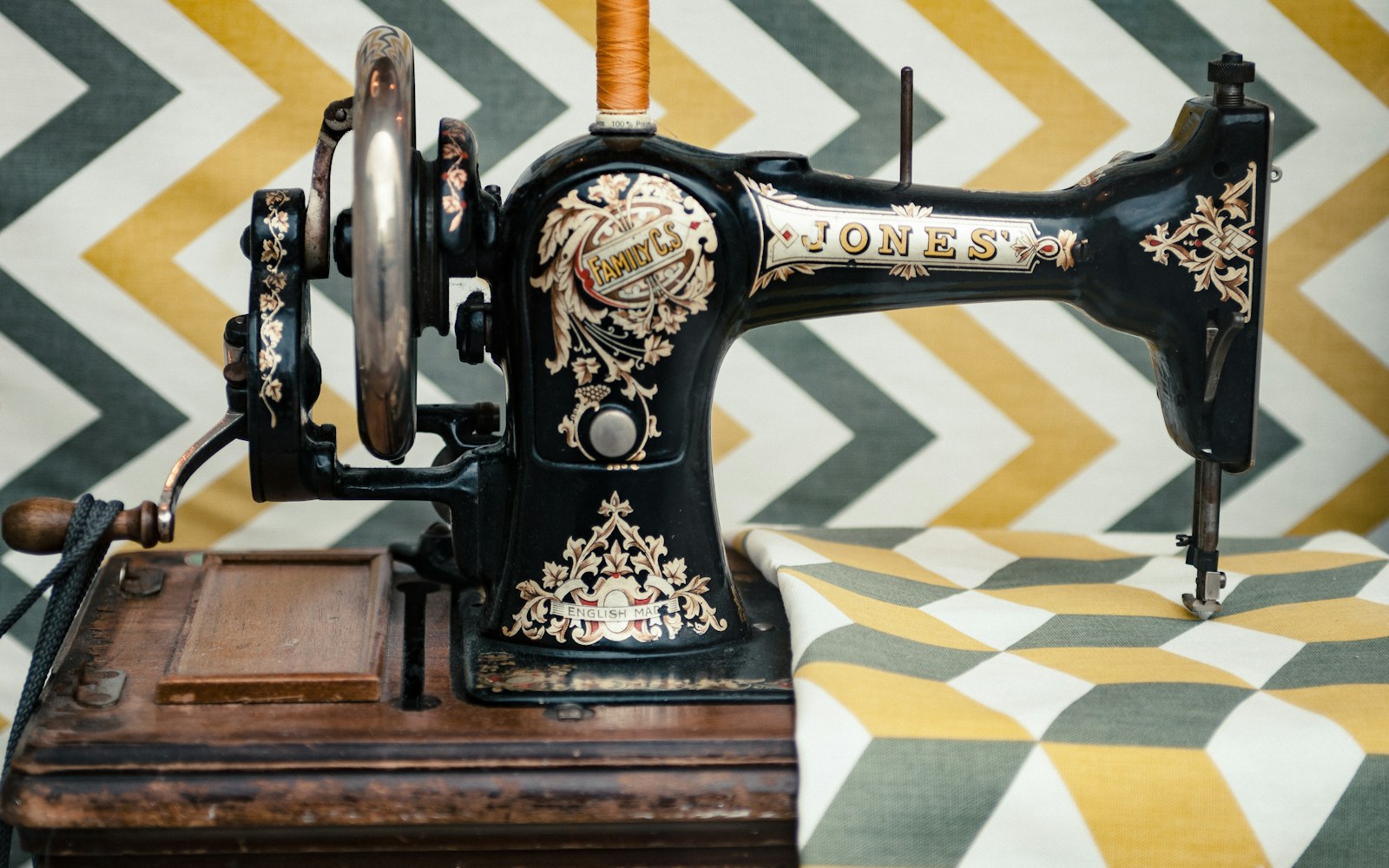
Treat an art-doll costume as a small supported structure: measure the posed figure, test a toile, control tension, and plan every closure before …
Collector's Guide
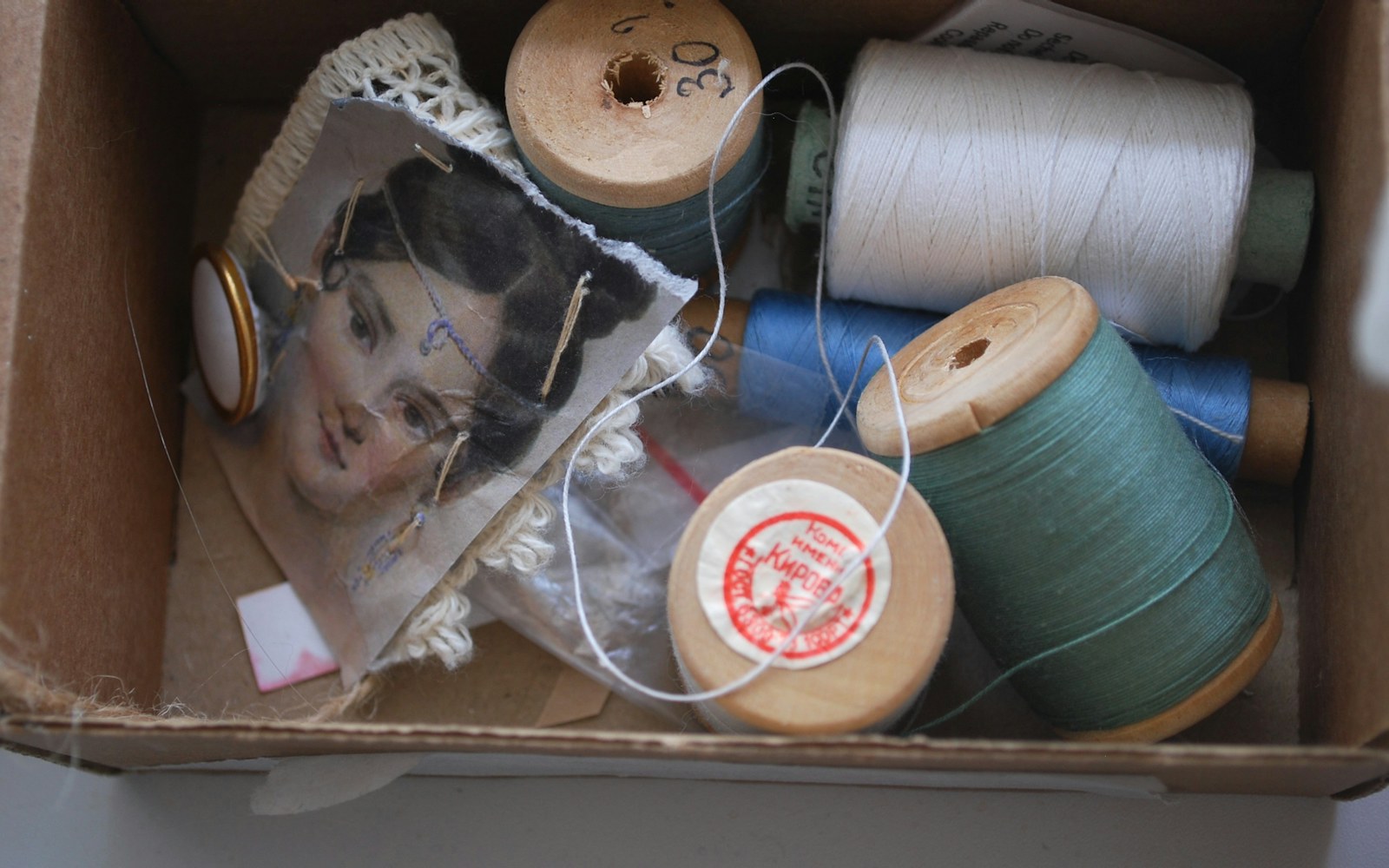
Create a reliable object record for a one-of-a-kind or recycled-material art doll, separating documented facts from observations, assumptions, and …
Editorial
Build a linked provenance file that records how a handmade figure was made, identified, photographed, transferred, and cared for—without treating …
Materials
Resin can create convincing translucent depth, but it is rarely the best default for miniature food. Choose materials according to the visual job, …
Process
A stable polymer clay figure begins with a proportioned, lightweight support planned before detail work—not with extra material added after the …
Editorial
Create a dated, repeatable record that preserves what a handmade figure looked like, how it was described, and where its ownership history begins.
Materials
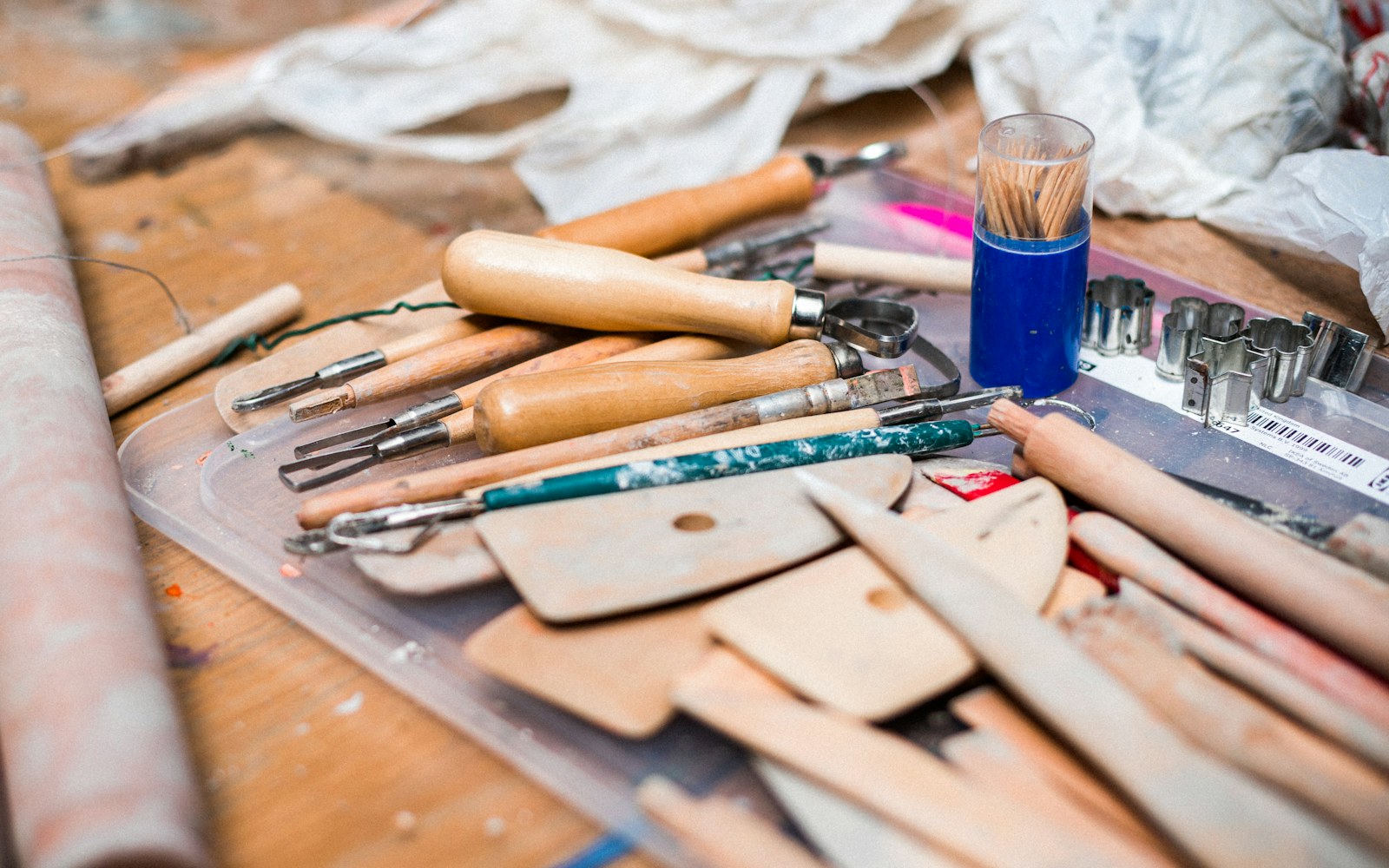
Construction choice and controlled measurement are the most reliable ways to keep small polymer clay figures light, stable, and in proportion from …
Process
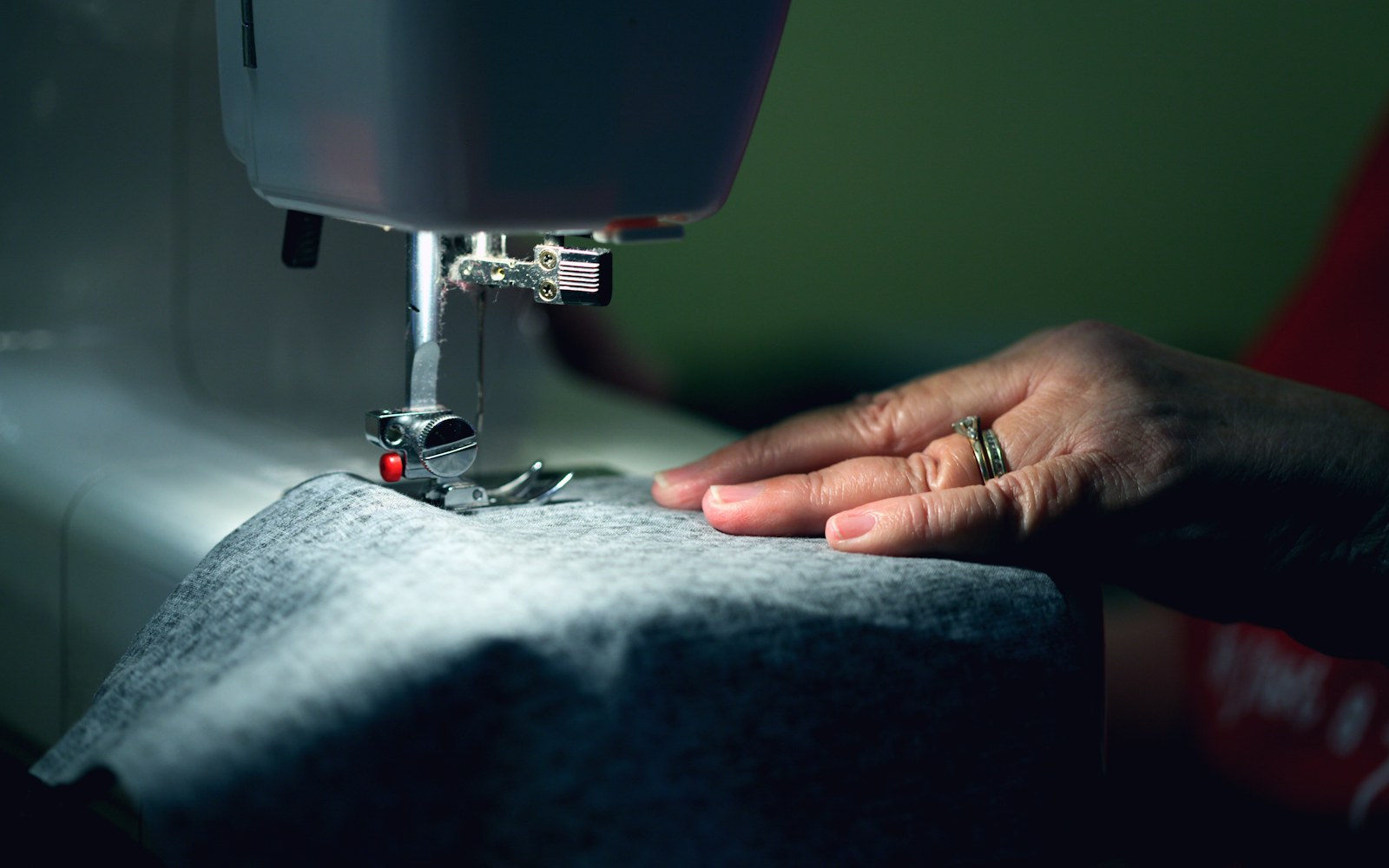
Elastic-thread shirring can make doll clothing easier to dress and more forgiving to fit—provided the setup, fabric, and scale are tested together.