Collector's Guide
Starting an Art Doll Collection: A Practical Guide
Start with a point of view, ask better questions, and build a collection you can actually care for.

By Lena Park
· 6 min read
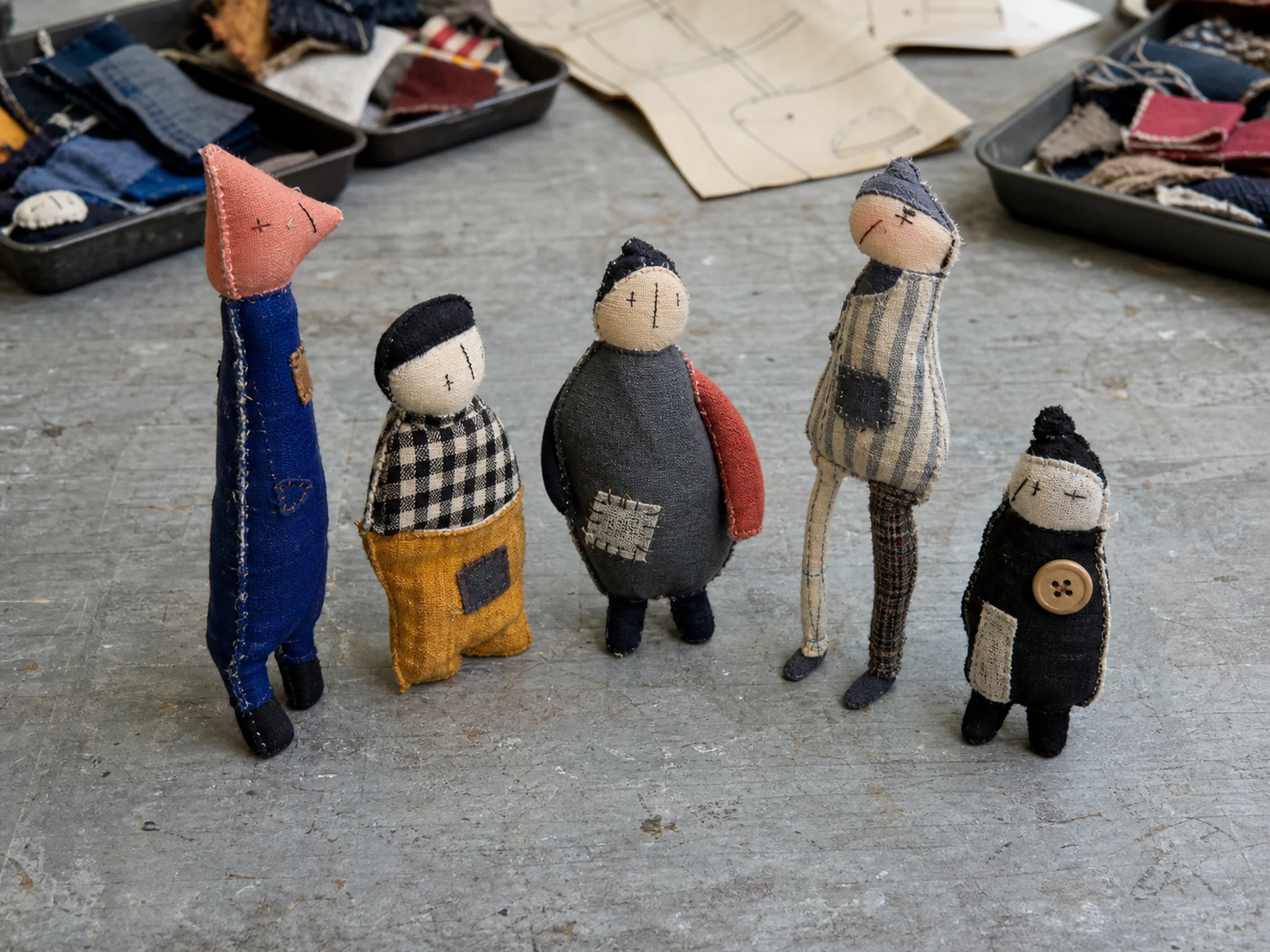
The easiest way to begin an art doll collection is to buy the first object that produces a strong reaction. The better way is to pause long enough to understand what caused that reaction.
Was it the face, the material, the clothing, the scale, the artist’s story, or the fact that the work was one of a kind? Your answer becomes the beginning of a collection rather than a series of unrelated purchases.
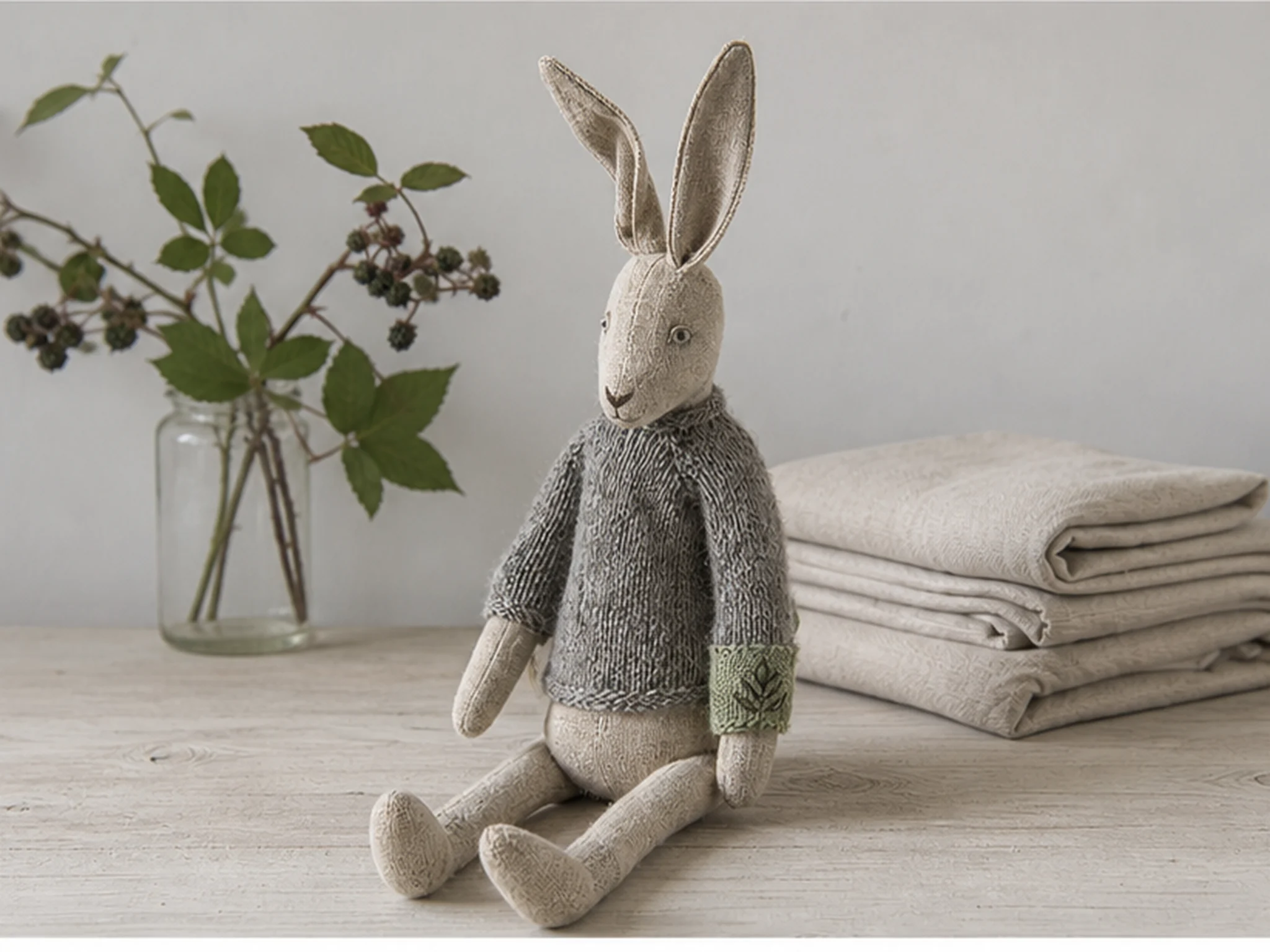
Art dolls are generally created as artworks or collectible objects rather than ordinary playthings. They may be sculpted, sewn, carved, assembled, painted, felted, or built from several media at once. Historical and museum collections show how broad the category can be: cloth, wool, felt, clay, hide, wood, beads, paint, and commercial textiles can all appear in a single figure. That variety is part of the appeal, but it also means that condition and care cannot be reduced to one universal rule.
1. Choose a collecting lens
A collecting lens does not need to be rigid. It simply helps you compare works thoughtfully. Useful starting points include:
- One material, such as cloth, wood, paper clay, porcelain, or wool felt.
- One form, such as animals, human figures, miniature characters, or abstract bodies.
- One region or craft tradition, approached with proper cultural context.
- One emotional register, such as humorous, serene, graphic, or nostalgic.
- One practical constraint, such as works under 30 centimeters or pieces that can be displayed without custom cases.
Avoid beginning with the idea that the collection must increase in financial value. Markets for handmade objects are uneven, and resale demand can be narrow. Buy because the work is strong, documented, and meaningful to you. Treat any future appreciation as uncertain.
2. Learn to read the object
Look at the work from more than one angle. A strong listing should show the front, side, back, base, important details, and any removable accessories. Ask how the figure stands or sits. Check whether the head, limbs, hair, clothing, and props are structurally supported.
Material descriptions should be specific. “Mixed media” is useful as a category but insufficient as a complete record. A better description might list paper clay, linen, wool filling, acrylic paint, wire, leather, and found wood. Different materials expand and contract differently, react differently to light and moisture, and require different handling.
Look for signs of deliberate handwork rather than demanding factory uniformity. Slight asymmetry, visible stitches, tool marks, and natural variations may be part of the work. Condition problems are different: active cracking, loose joints, sticky surfaces, flaking paint, insect activity, mold, strong unexplained odor, or repairs that place stress on the object.
3. Ask for documentation
For a contemporary work, request:
- Artist or studio name.
- Artwork title.
- Date of completion.
- Dimensions and weight.
- Full materials list.
- One-of-a-kind or edition information.
- Signature or maker’s mark location.
- Care and display instructions.
- Invoice, receipt, or certificate of authenticity.
- A clear record of any previous repair.
Save the original listing and correspondence as a PDF. Photograph the work when it arrives, including packaging and any condition concerns. Assign your own inventory number if the collection grows. Good documentation is useful even when you never intend to sell.
4. Set a real budget
The purchase price is not the full cost. Include shipping, tax or import charges, display stands, cases, shelving, insurance, and occasional professional conservation advice. Fragile or unusually shaped work may require custom packing.
A practical first-year plan is to buy fewer works and keep a reserve for care. One well-documented object gives you more to learn from than five impulsive purchases with unclear materials and poor photographs.
5. Display without damaging
Museum care begins with controlling avoidable risks: excessive light, dust, unstable temperature and humidity, poor support, careless handling, and unsuitable storage materials. A private home cannot reproduce a conservation lab, but it can avoid the most obvious problems.
Keep works away from direct sun and strong heat sources. Do not place them against damp exterior walls or in bathrooms, kitchens, or unconditioned attics. Use stable shelves and stands that support the figure without cutting into fabric or stressing joints. Avoid pressure-sensitive tape, rubber bands, pins, and unknown adhesives.
Dust is abrasive and can become embedded in textile fibers. A closed cabinet can reduce dust, but it should not create a sealed damp microclimate. If a work needs cleaning, begin with the artist’s instructions. Do not apply household cleaners, perfume, disinfectant, or water without understanding the materials.
Handle less, support more. Lift a figure from its stable body or base—not from hair, ears, clothing, fingers, wings, or accessories.
6. Store accessories separately and safely
The Cincinnati Art Museum has described improving doll-clothing storage by using archival boxes, slide-out shelves, and individual trays rather than stacking garments and accessories. The principle translates well to private collections: prevent crushing, rubbing, and weight transfer.
Use acid-free tissue and archival-quality boxes when long-term storage is necessary. Support folds rather than pressing them flat. Keep removable metal accessories from resting directly against textiles if corrosion or staining is possible. Label every separated item so it cannot become detached from the work’s history.
7. Respect cultural context
Dolls can carry cultural, ceremonial, historical, and community meanings that extend far beyond decoration. Smithsonian collections include figures made from highly specific combinations of cloth, felt, clay, hide, beads, and traditional dress. When purchasing work connected to a living cultural tradition, learn who made it, how it was intended to circulate, and whether its sale is appropriate.
Avoid listings that use vague claims such as “tribal,” “ritual,” or “authentic” without attribution. Provenance matters ethically as well as financially.
8. Build relationships, not scarcity anxiety
Following an artist over time is often more rewarding than chasing every limited release. Read process notes, attend exhibitions, subscribe by RSS, and learn how the work develops. A sold piece can remain useful as an archive record even when it is no longer available.
A healthy collection grows slowly enough that you can still see each work. Leave physical space, budget space, and attention space. The goal is not to fill shelves. It is to create a group of objects whose differences become more interesting when they are seen together.
Quick checklist before buying
- Do I understand who made it?
- Are the materials and dimensions clear?
- Is the edition status explicit?
- Are condition and repairs disclosed?
- Can I display and store it safely?
- Does the price fit my total collecting budget?
- Would I still value the work if resale were impossible?
A considered “no” is part of collecting. It preserves room for the work that genuinely belongs.